Maison Nox · Haute Parfumerie
Fragrance Notes Explained: Top, Heart, and Base
Why a perfume smells like one thing on paper and another an hour later. A house guide to the three note layers and how to read a fragrance before you buy.
By Sadhana Ojha · Founder, The Maison World · 6 min read · Updated June 2026
A perfume is not a single smell but a sequence — it opens as one thing, changes over the first hour, and settles into something else entirely. That evolution is the whole reason a scent you loved at first spray can disappoint by evening, or one you dismissed can win you over an hour in.
Understanding the three note layers is how you read a fragrance before you commit to it. This is a house guide from Maison Nox to top, heart, and base notes, and to testing a perfume the way it is actually meant to be judged.
What are top notes?
Top notes are the first impression — the light, volatile molecules you smell in the opening minutes before they evaporate. Citrus, herbs, and fresh aromatics live here, giving that bright initial burst, but they fade within roughly five to fifteen minutes and are not what you will wear for the day.
Because they disappear fastest, top notes are the worst basis for a buying decision. The lively opening is designed to attract, not to last — judging a perfume on its first thirty seconds is the most common mistake buyers make.
What are heart notes?
Heart notes — also called middle notes — emerge as the top notes fade and form the main character of the fragrance. This is where florals, spices, and fruits sit, and it is the body of the scent you will smell for much of the wear, typically arriving within twenty to forty minutes and lasting a few hours.
The heart is the true theme of a perfume. When a house describes a fragrance’s personality, it is usually describing the heart — the part that carries the composition once the opening has burned away.
What are base notes?
Base notes are the foundation — the heavy, long-lasting molecules that anchor the fragrance and linger for hours, sometimes into the next day. Woods, resins, musks, amber, and oud belong here; they are what remains on skin and fabric long after the top and heart have gone.
The base also slows the evaporation of everything above it, which is why a well-built base gives a perfume its longevity. In a hot climate especially, a rich base is what keeps a scent present through the day rather than vanishing by midday.
How does a fragrance evolve on the skin?
A perfume unfolds top to base as its molecules evaporate at different speeds — bright opening, then the heart, then the lasting base — which is why the scent on a blotter after five minutes is not the scent you will wear at hour three. Your own skin chemistry and body heat shape that arc too, so the same perfume can smell subtly different on different people.
This evolution, called the dry-down, is the real test of a fragrance. A good perfume is judged by where it settles, not where it starts.
How should you test a perfume before buying?
Test on skin, not paper, and give it time. Spray one fragrance on the wrist or inner elbow, wait for the dry-down over a few hours, and judge it at the heart and base rather than the opening — paper blotters are fine for a first sift but never show how a scent lives on you.
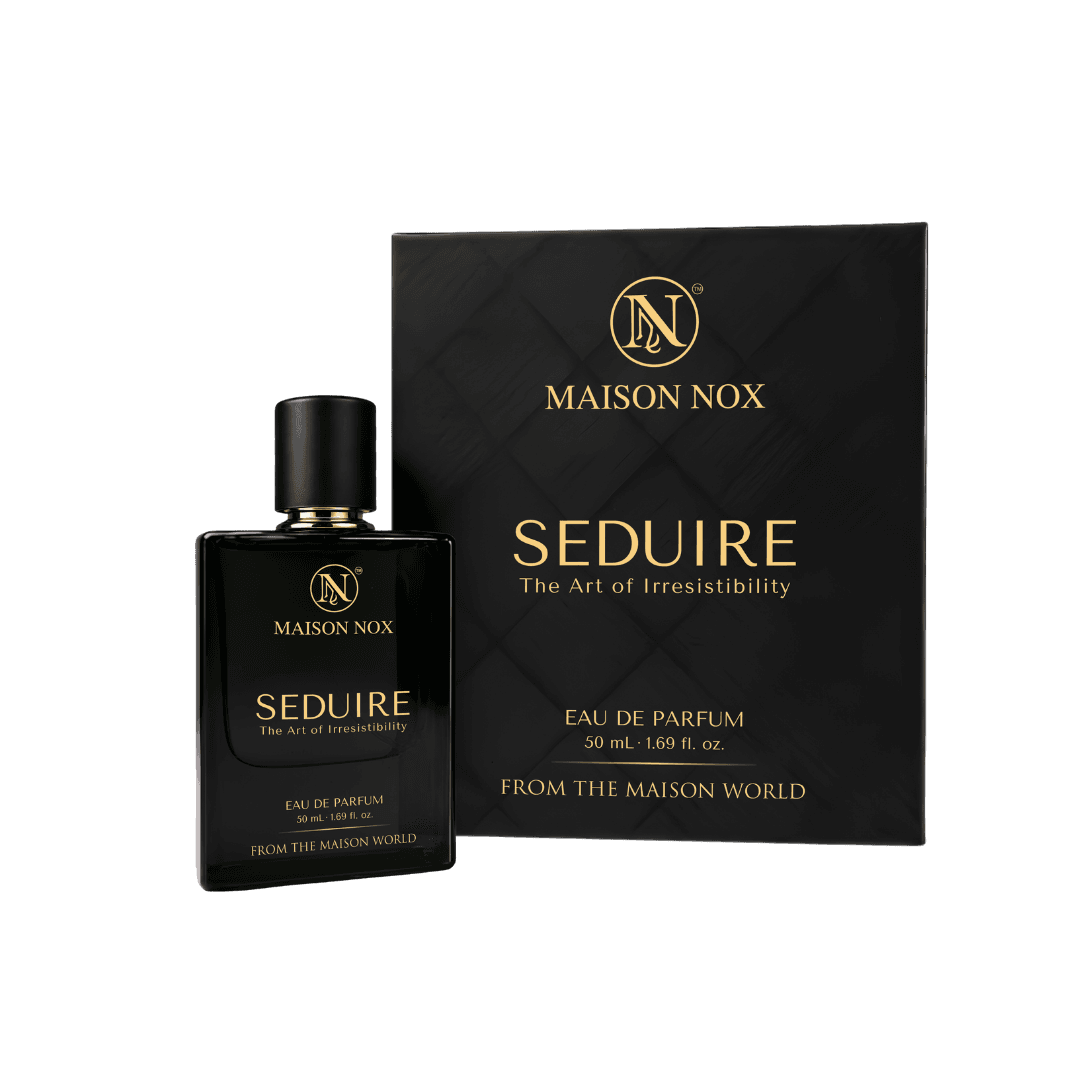
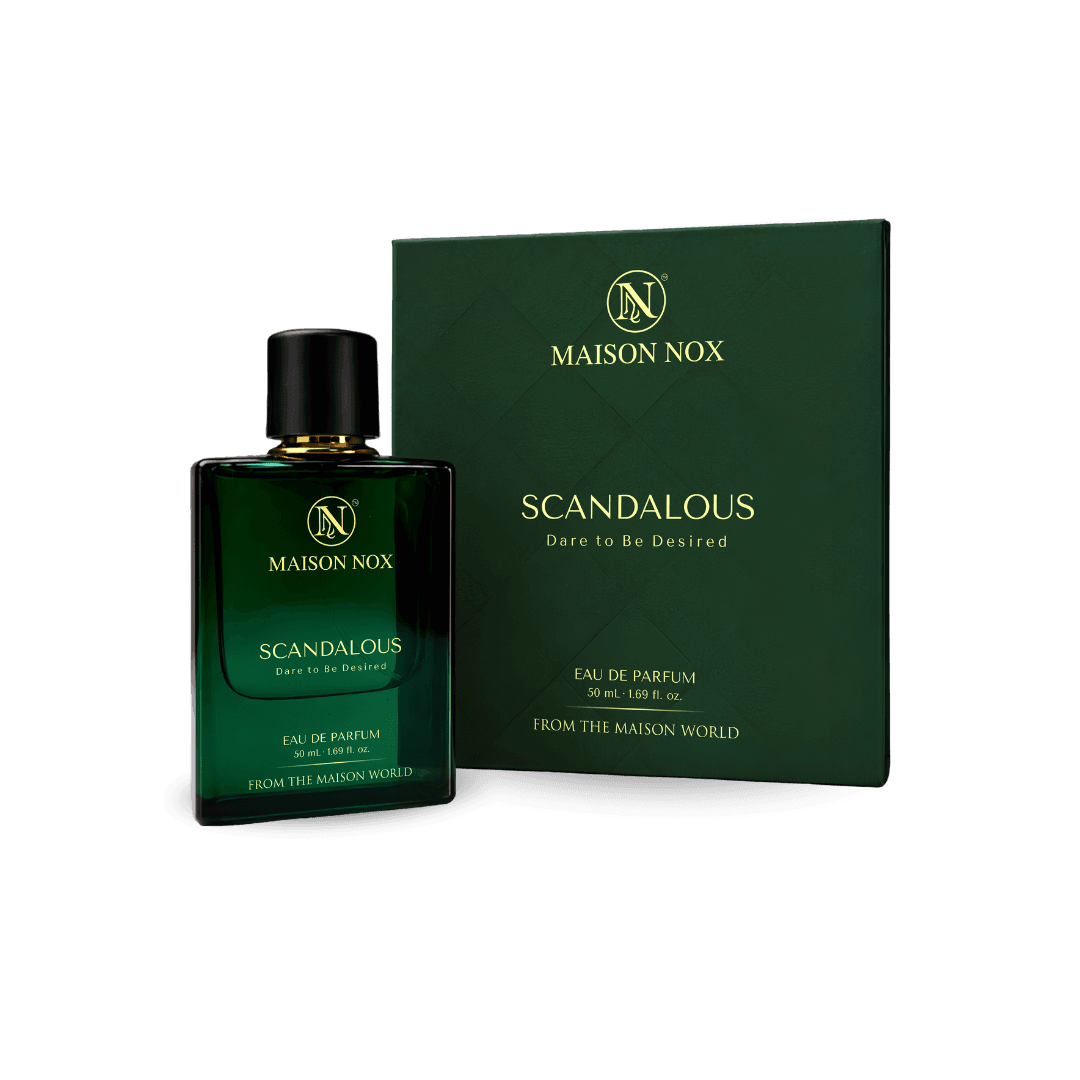
Try only one or two at a time so your nose does not tire, and revisit later in the day. Maison Nox composes its Eau de Parfum — Seduire and Scandalous — with the dry-down in mind, so the fragrance you meet at first spray is one that holds its character through the hours. Every product carries mandatory Indian statutory information, including manufacturer details, MRP inclusive of GST, and batch and expiry where applicable.
Frequently asked
- What are top, heart, and base notes in perfume?
- Top notes are the light, volatile scents you smell first, fading in minutes. Heart (middle) notes emerge next and form the main character for a few hours. Base notes are the heavy, long-lasting foundation — woods, resins, musks — that linger for hours and anchor the fragrance.
- Why does my perfume smell different after an hour?
- A perfume evolves as its molecules evaporate at different speeds — the light top notes go first, then the heart, then the lasting base. This dry-down, shaped by your own skin chemistry, is why a scent smells different after an hour and why you should judge it at the base, not the opening.
- How long do base notes last?
- Base notes are the longest-lasting layer, lingering for many hours and sometimes into the next day on skin and fabric. They include woods, resins, amber, musk, and oud, and they also slow the evaporation of the notes above, giving a fragrance its longevity.
- Should I test perfume on skin or paper?
- Test on skin and give it time. Paper blotters are useful for a first sift, but only skin shows the real dry-down as body heat and chemistry shape the scent. Spray one or two on the wrist, wait a few hours, and judge the heart and base rather than the first spray.