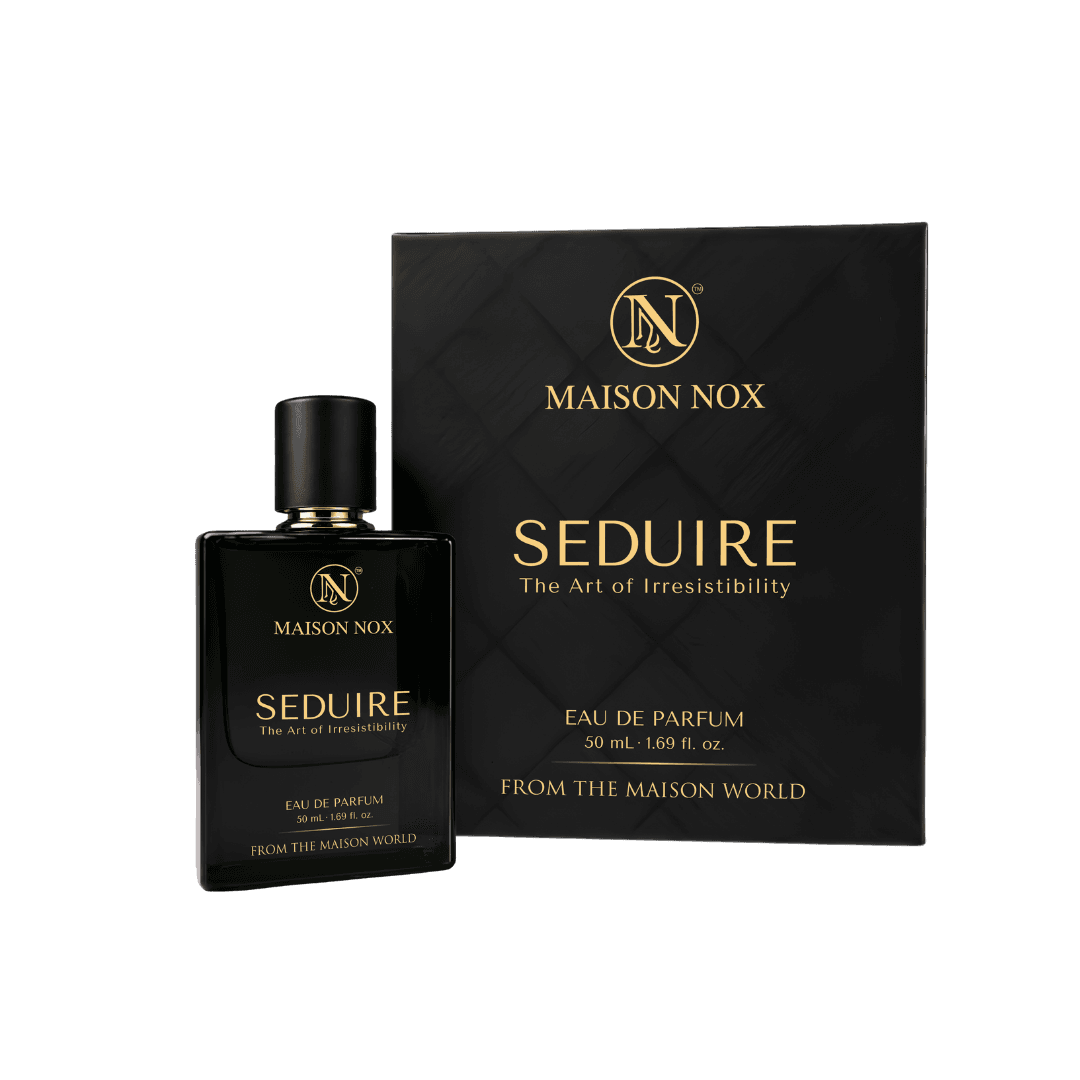
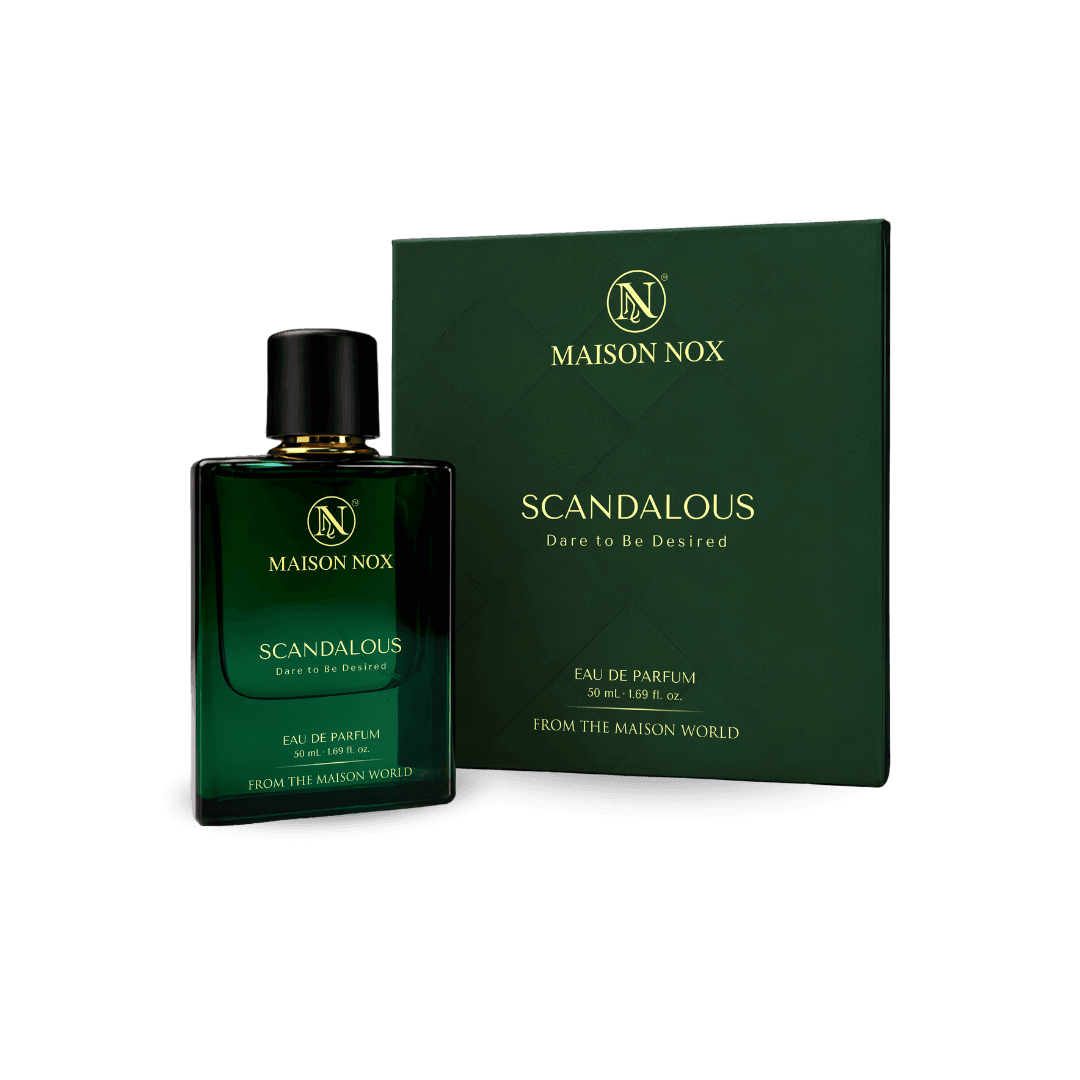
Maison Nox · Haute Parfumerie
How to Choose an Oriental Perfume in India: A Guide to Warm, Amber Fragrance
Oriental fragrance is the most rewarding family in a warm climate. A house guide to reading amber, saffron, rose and sandalwood, and how to wear them in Indian heat.
By Sadhana Ojha · Founder, The Maison World · 6 min read · Updated June 2026
Oriental — or amber — fragrance is the warmest, most enveloping family in perfumery: compositions built on resins, spice and woods that bloom on warm skin rather than flashing off in the first hour. In India, where attar tradition runs centuries deep, this is the register most fragrance is worn in.
This is a house guide from Maison Nox to reading an oriental fragrance honestly — what saffron, rose, amber and sandalwood actually do, what concentration to buy, and how a warm composition behaves on Indian skin in Indian heat.
What is an oriental (amber) fragrance?
An oriental fragrance is defined by its base: warm, resinous materials — amber, labdanum, benzoin — layered with spice and woods such as sandalwood and cedar. Where a fresh eau is built to sparkle and lift, an oriental is built to settle, deepen and linger close to the skin.
The family is broad. A saffron-and-rose oriental reads bright and jewelled; an incense-and-sandalwood oriental reads smoky and meditative; an amber-forward one reads sweet and golden. What they share is depth and staying power, which is why they suit occasion and evening wear.
What do saffron, rose, amber and sandalwood each do?
Saffron gives a warm, leathery-suede brightness at the top — a spice that reads luxurious rather than sharp. Rose in an oriental is not the fresh garden rose of a cologne but a deeper, jammier heart that marries into the spice. Together they are the classic Indo-oriental signature.
Amber and musk in the base are what make the scent last and sit close to the skin; sandalwood and cedar add a creamy, dry-wood spine. Read a fragrance by its base notes, not its opening — the base is what you will actually wear for most of the day.
Why does Indian tradition matter for oriental perfume?
India is one of the historic homes of warm perfumery. Indian attar makers refined the layering of rose, saffron and sandalwood long before Western perfumery industrialised it, traditionally distilling and ageing oils in the deg-bhapka method.
For an Indian wearer this heritage is a reference point, not nostalgia. A house working in this idiom can build oriental compositions calibrated for the climate and the cultural register they will actually be worn in — weddings, festivals, evenings — rather than importing a European interpretation wholesale.
How do you wear a warm fragrance in a hot, humid climate?
In heat, less is more: warm bases amplify on warm skin, so one or two sprays to pulse points is enough where a lighter eau would take four. High temperature and humidity accelerate the top notes and push the heavy base forward faster, which is why a rich oriental can feel overwhelming at midday and perfect by evening.
Apply to skin rather than clothing — body warmth is what unfolds amber and resin — and favour the cooler hours. For Indian summers, many wearers keep full-strength orientals for evenings and weddings, and reach for a lighter spritz in the daytime.
What should you look for when buying a luxury perfume in India?
Buy on concentration, composition, and longevity — not on the size of the bottle. An eau de parfum carries more material than an eau de toilette and will last and project accordingly; ask what the base notes are and how long the house composes the scent to hold.
A curated house should be able to answer without hesitation, and should disclose mandatory Indian statutory information — country of origin, manufacturer, MRP inclusive of GST, and batch details. At Maison Nox, every fragrance is composed as an eau de parfum with a heat-stable base and certified by the house before it reaches the catalogue.
Frequently asked
- What is the best oriental perfume for women in India?
- The best oriental for you depends on the base you want to live with — a bright saffron-and-rose amber wears very differently from a smoky incense-and-sandalwood one. Choose a house that discloses its notes and concentration, and read the base notes rather than the opening.
- What is the difference between an oriental perfume and an attar?
- Oriental describes a fragrance family — warm, resinous, amber-based. Attar describes a method: an oil-based, alcohol-free perfume, traditionally distilled and aged. Many attars are oriental in character, but an oriental eau de parfum is alcohol-based and sprayed rather than dabbed.
- Why does a perfume smell different after an hour?
- Because it is built in layers. The top notes you smell first are the lightest and fade quickest; the heart and then the warm base emerge over 20 to 60 minutes. With an oriental, the amber-and-wood base is the part you wear longest, so judge a scent by its dry-down.
- How many sprays of an oriental perfume should I use?
- One or two sprays to the pulse points is enough for most warm, ambery compositions, and especially in a hot or humid climate where the base amplifies on warm skin. Build up slowly rather than over-applying.