Maison Nox · Haute Parfumerie
Oud vs Attar: The Difference, and Which Suits Indian Heat
One is a raw material, the other a way of making perfume. A house guide to what oud and attar actually are, how they differ, and how to wear each.
By Sadhana Ojha · Founder, The Maison World · 6 min read · Updated September 2026
Oud and attar are not the same thing: oud is a raw material — the resinous heartwood of agarwood — while attar is a traditional, alcohol-free way of making perfume by distilling botanicals into an oil base. An attar can contain oud, which is exactly why the two get tangled together, and clearing it up changes how you read a bottle.
This is a house guide from Maison Nox to what oud and attar each are, how they are made and worn, and how both translate into a modern Eau de Parfum built for the Indian climate.
What is oud?
Oud is a raw fragrance material — the dark, resinous heartwood produced when a wild agarwood tree responds to a specific mould infection. It is one of the rarest and most expensive ingredients in perfumery precisely because that transformation is uncommon in nature, which is why true oud commands the prices it does.
As a note, oud smells deep, woody, and animalic, with a warmth that lingers for hours. It is a single powerful ingredient that a perfumer uses within a composition — not a finished perfume in itself.
What is attar?
Attar is a method and a format, not a single ingredient. Traditionally it is a concentrated, oil-based perfume made by distilling botanicals — roses, jasmine, oud, spices — into a base oil such as sandalwood, with no alcohol, and applied in tiny amounts directly to the skin.
Because attar is alcohol-free and oil-based, it wears close to the skin and reveals slowly with body heat rather than projecting outward. Oud can be one of the materials distilled into an attar — which is exactly why the two words get tangled together.
So what is the actual difference?
The difference is category: oud is an ingredient, attar is a type of perfume. You can have an oud attar, a rose attar, or an oud note inside an alcohol-based Eau de Parfum — the material and the format are two separate questions, and a bottle can combine them in different ways.
Put simply: asking "oud or attar?" is like asking "leather or handbag?" — one names a material, the other a form. Knowing which you are being sold is the difference between an informed purchase and a confused one. If you are choosing a warm, amber fragrance for Indian wear, our guide to oriental perfume in India goes deeper.
| Oud | Attar | |
|---|---|---|
| What it is | A raw ingredient — resinous heartwood of infected agarwood | A finished perfume — botanicals distilled into an oil base |
| Alcohol | Depends on the perfume it is composed into | None — traditionally alcohol-free |
| How it wears | Deep, woody, animalic note that lingers for hours | Sits close to the skin, reveals slowly with body heat |
| Cost driver | Rarity of naturally infected wild agarwood | Concentration and the botanicals distilled |
Which lasts and travels better in Indian heat?
Oil-based attars sit close to the skin and resist evaporation well, so they are intimate and long-wearing but project modestly — ideal when you want a scent noticed only up close. An alcohol-based Eau de Parfum projects further and fills a room, which many prefer for presence, though the lighter carrier lifts faster in heat.
Neither is better; they are different intentions. In practice, a well-built Eau de Parfum with a rich, heat-stable base gives you projection with respectable longevity — the balance most people want for a full Indian day. Application matters as much as format: see how to make perfume last in Indian heat.
How does Maison Nox use these traditions?
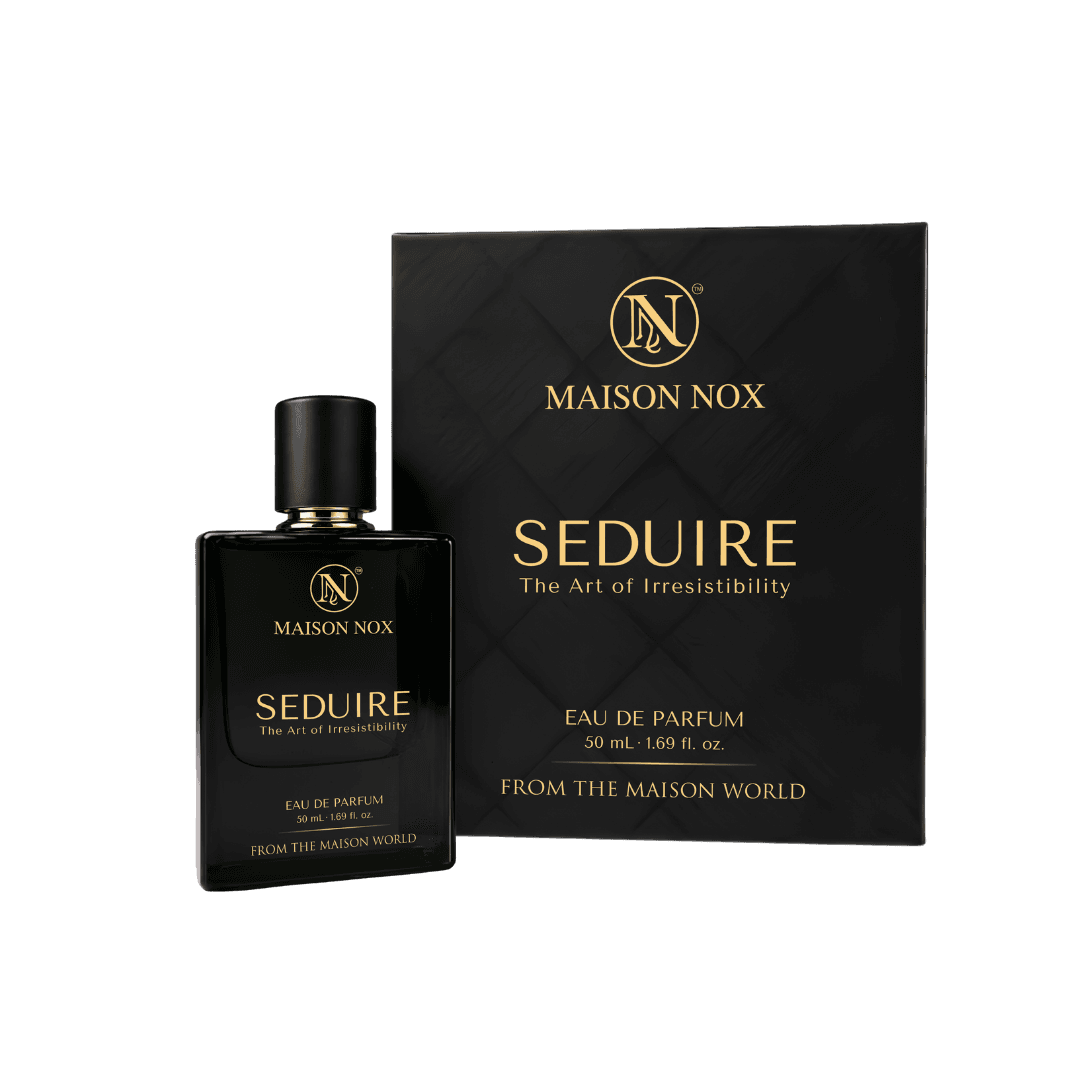
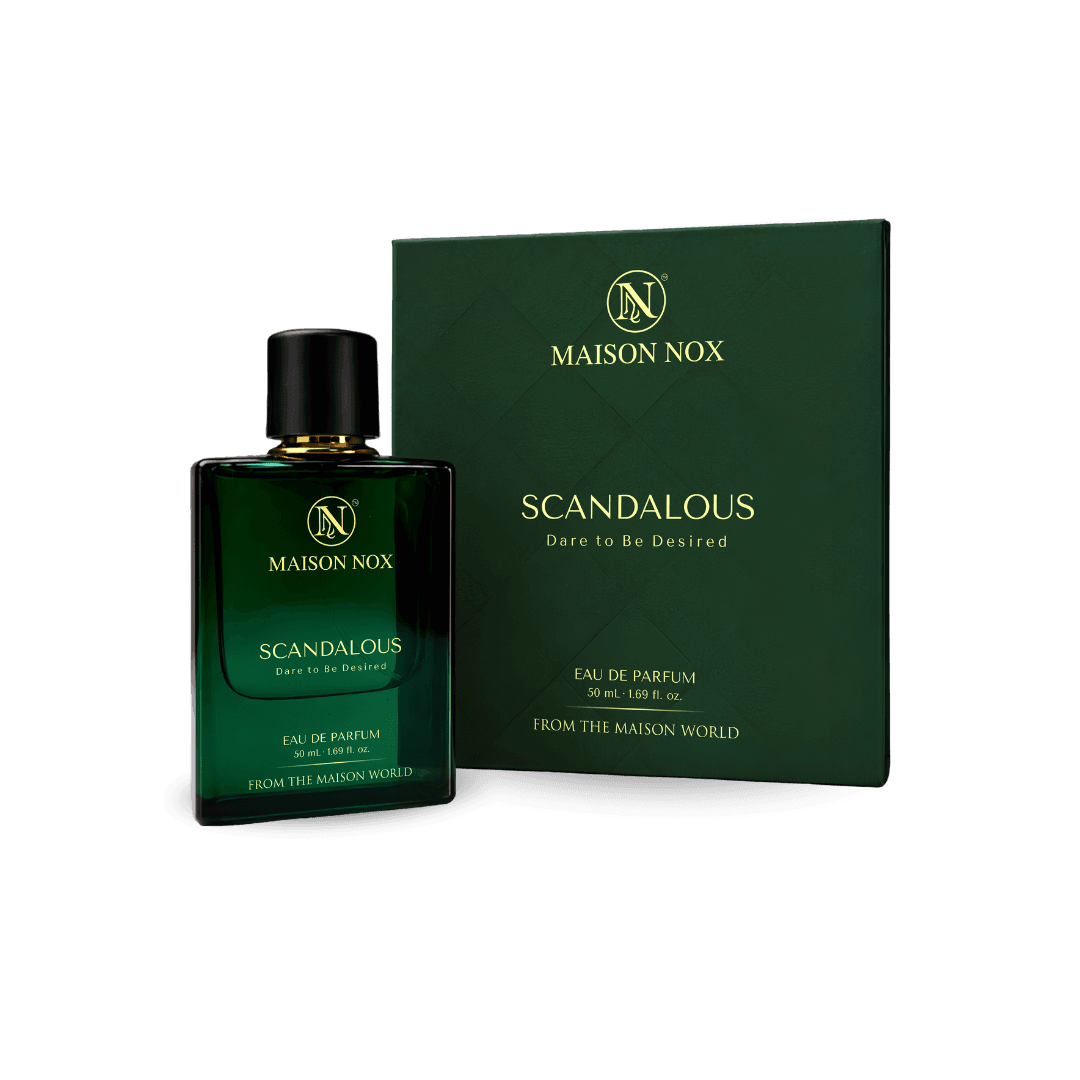
Maison Nox composes contemporary Eau de Parfum that draws on this heritage without being bound by it — modern fragrances made in India, built for presence and for the climate, rather than a single traditional format. The house signatures, Seduire and Scandalous, are Eau de Parfum designed so their base notes hold through heat.
The aim is the best of both worlds: the depth and character associated with rare materials and traditional craft, expressed in a format that projects and lasts in modern wear. Every product carries mandatory Indian statutory information, including manufacturer details, MRP inclusive of GST, and batch and expiry where applicable.
Frequently asked
- What is the difference between oud and attar?
- Oud is a raw material — the resinous heartwood of infected agarwood trees — while attar is a method and format: a concentrated, alcohol-free, oil-based perfume distilled from botanicals. Oud is an ingredient; attar is a type of perfume. You can even have an oud attar, which is where the confusion comes from.
- Is oud the same as attar?
- No. Oud is a single fragrance ingredient (agarwood resin), and attar is a way of making perfume (oil-based, alcohol-free, worn close to the skin). Oud can be one of the materials used inside an attar, but the words describe two different things — a material versus a format.
- Does attar last longer than perfume?
- Oil-based attars resist evaporation and wear close to the skin for a long time, but they project modestly. Alcohol-based Eau de Parfum projects further and fills a room but can lift faster in heat. A well-built Eau de Parfum with a rich base offers projection with strong longevity.
- Why is oud so expensive?
- True oud forms only when a wild agarwood tree reacts to a specific mould infection, producing resinous heartwood. That transformation is rare in nature, making authentic oud one of the rarest and costliest raw materials in all of perfumery.