Maison Velours · Skincare
Glutathione for Skin: An Honest Guide to What It Does
Marketed as a miracle brightener, misunderstood as a whitener. A house guide to what glutathione realistically does for skin — and what it does not.
By Sadhana Ojha · Founder, The Maison World · 6 min read · Updated September 2026
Topical glutathione brightens dull, uneven skin modestly — it is an antioxidant with a gentle influence on pigment production, not a whitening agent, and it will not change your natural tone. It is sold across India as a route to dramatically "fairer" skin, a claim that is scientifically overstated and, at Maison Velours, not one we make.
This is a house guide to what glutathione actually is, what the evidence does and does not support, and how to think about it as a radiance ingredient rather than a whitening promise.
What is glutathione?
Glutathione is an antioxidant your body already produces — a molecule that helps neutralise free radicals and support the skin’s defence against oxidative stress. In skincare it is used for that antioxidant action and for a mild influence on how skin produces pigment.
It occurs naturally in the body, which is part of its appeal, but naturally occurring does not mean dramatically transformative when added to a cleanser or serum. Its realistic role is supportive: antioxidant defence and a gentle nudge toward more even tone.
Does glutathione whiten skin?
This is the crucial correction: glutathione does not "whiten" skin, and no responsible brand should promise that it will. At most, topical glutathione may support a brighter, more even tone by influencing pigment production and reducing oxidative damage — that is radiance and evenness, not a change to your natural complexion.
The idea of skin "whitening" is a marketing myth built on an unhealthy premise. Healthy, even, luminous skin at your own tone is the honest and worthwhile goal; a lighter race of skin is neither achievable from a cleanser nor something worth chasing.
What does the evidence actually say?
The evidence for glutathione is limited and mixed, and it varies sharply by form. Injectable glutathione for skin lightening is not proven safe or effective and carries real health risks — it is not something to pursue. Topical and oral forms are gentler but backed by modest, inconsistent research.
A sensible reading: topical glutathione can be a reasonable antioxidant and brightening support within a routine, with realistic, gradual expectations — not a stand-alone treatment and certainly not an injectable one. Treat bold before-and-after claims with scepticism.
What actually improves skin tone?
The unglamorous truth is that the biggest lever on even tone is daily sun protection, not any single brightening hero. UV is the main driver of tanning and pigmentation, so no antioxidant — glutathione or otherwise — can outpace unprotected sun exposure.
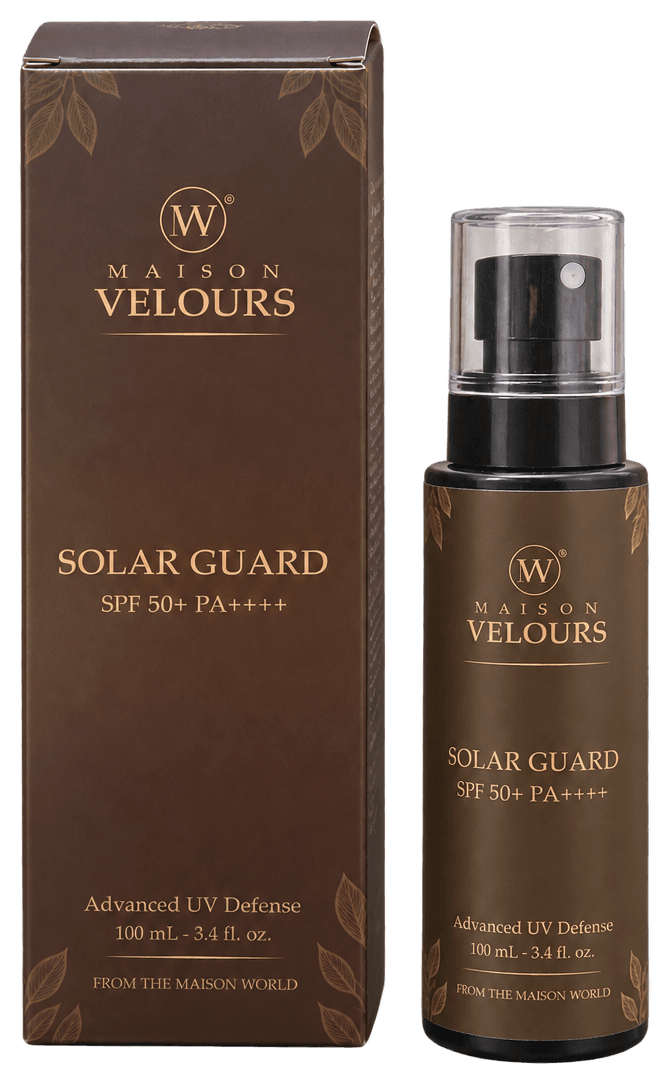
Alongside sunscreen, consistent gentle actives like vitamin C and niacinamide have stronger, better-established brightening evidence than glutathione. We compare the stronger route in vitamin C serum for pigmentation on Indian skin, and cover choosing a sunscreen for Indian skin separately. The most effective routine is a boring, consistent one: protect, brighten gently, repeat — over months.
How does Maison Velours use glutathione?
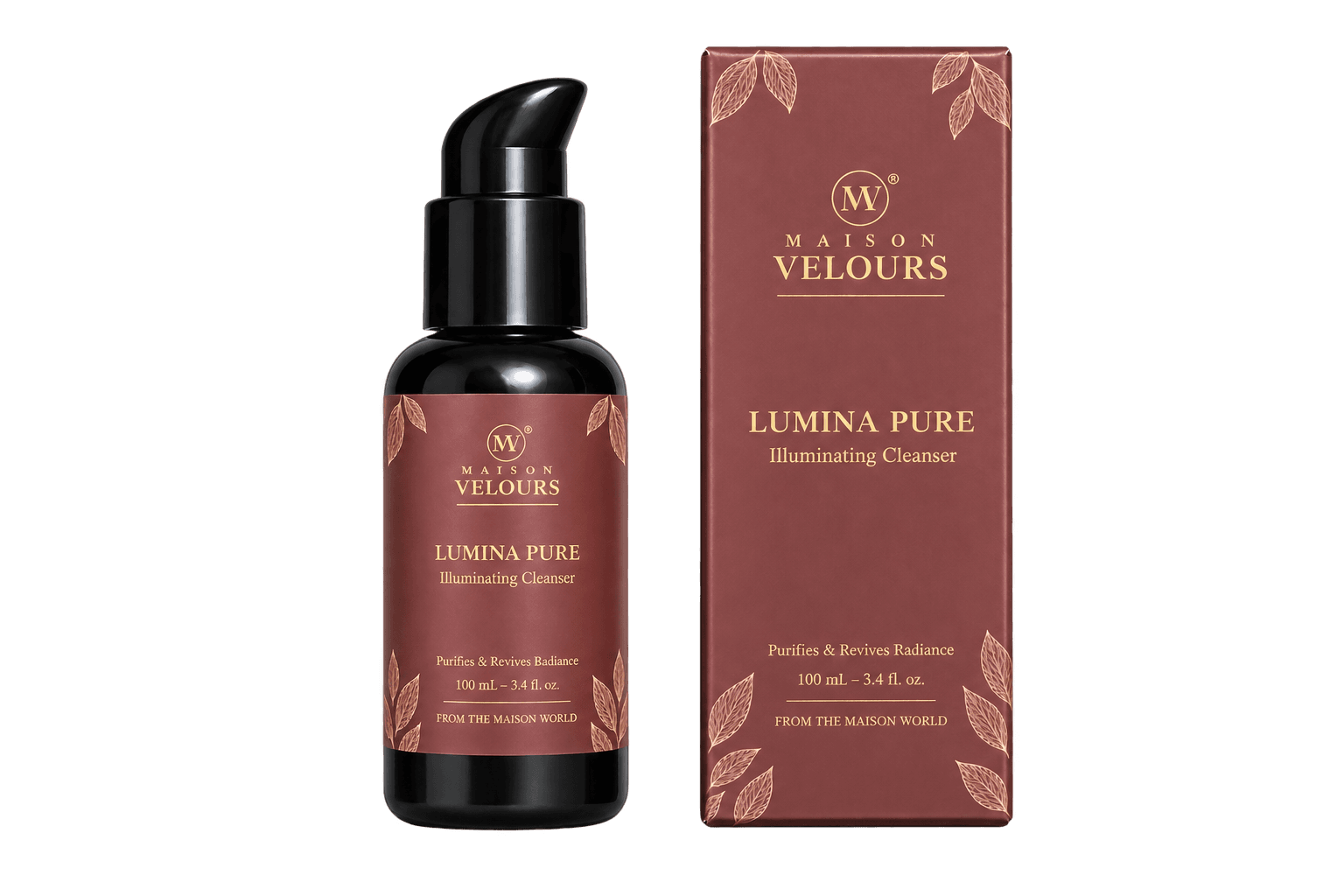
Maison Velours uses glutathione as a supporting antioxidant and radiance ingredient — for example in Lumina Pure, an illuminating cleanser — within routines built around even tone and skin health, not as a whitening promise. It is one honest component, paired with the actives and sun protection that do the heavier lifting.
The house position is deliberate: luminous, even, healthy skin in your own tone, achieved gradually and safely. Every product carries mandatory Indian statutory information, including manufacturer details, MRP inclusive of GST, and batch and expiry where applicable.
Frequently asked
- Does glutathione whiten your skin?
- No. Glutathione does not whiten skin, and responsible brands do not claim it does. Topical glutathione may support a brighter, more even tone through its antioxidant action and mild effect on pigment — that is radiance and evenness at your own complexion, not skin whitening.
- Is glutathione good for skin?
- It can be a reasonable supporting antioxidant that helps defend skin against oxidative stress and may gently support even tone. Its evidence is modest, so it works best as one component of a routine — alongside sunscreen and stronger actives like vitamin C — with realistic, gradual expectations.
- Are glutathione injections safe for skin lightening?
- No. Injectable glutathione for skin lightening is not proven safe or effective and carries real health risks. It should not be pursued for cosmetic skin lightening. Gentler topical or oral forms exist, but the evidence for them is limited.
- What is the best way to get brighter, even-toned skin?
- Daily broad-spectrum sunscreen is the single most effective step, since UV drives most tanning and pigmentation. Paired with consistent gentle actives such as vitamin C and niacinamide over months, it does more for even tone than glutathione or any single brightening ingredient.