Maison Velours · Skincare
Skincare for Indian Skin and Climate: What Actually Works
Melanin-rich skin and a monsoon climate need formulations most legacy luxury brands were never built for. A house guide to pigmentation, humidity, and barrier care.
By Sadhana Ojha · Founder, The Maison World · 7 min read · Updated June 2026
Most of the world’s prestige skincare was formulated for fair, low-melanin skin in temperate, dry climates. Indian skin is, on average, richer in melanin and lives in a far wider range of conditions — humid coasts, dry north-western heat, high-UV plains — and it responds differently to actives, sun, and inflammation. A regimen that works in Paris or New York is not automatically the right one in Mumbai or Indore.
This is a house guide from Maison Velours to the things that genuinely matter for Indian skin and the Indian climate: pigmentation, barrier health, sun, and how to build a routine that respects both.
How is Indian skin different, and why does it matter?
Indian skin is typically richer in melanin, which changes how it scars, pigments, and reacts to irritation. Higher melanin offers some natural protection but makes the skin far more prone to post-inflammatory hyperpigmentation — the stubborn dark marks left behind by a single spot, a shave, or aggressive exfoliation — which is why "anti-ageing" routines designed around wrinkles often miss the actual priority.
For most Indian skin, the central concern is even tone, not lines. That reframes the whole regimen: gentle actives, disciplined sun protection, and barrier repair matter more than the aggressive resurfacing many imported routines push.
What does humidity do to your skincare routine?
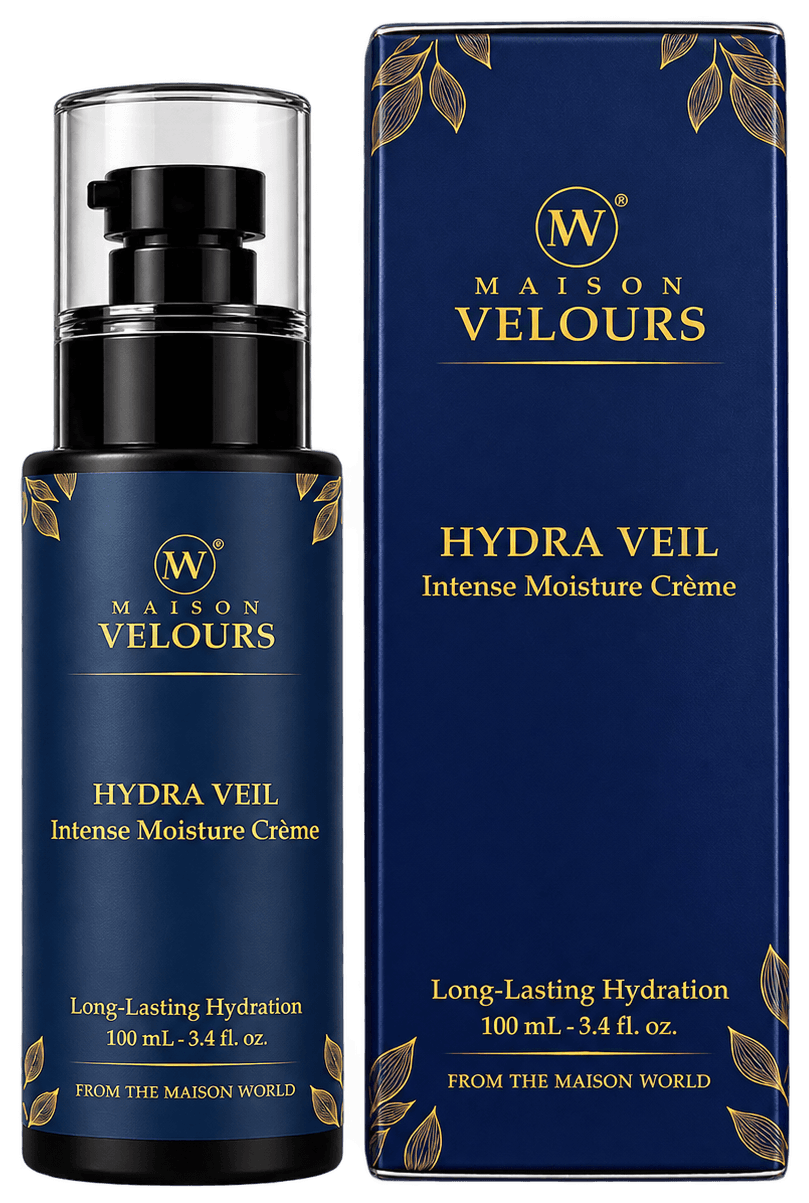
In a humid climate, lighter textures outperform rich creams. High humidity slows water loss from the skin, so heavy occlusive moisturisers that suit a dry winter can feel greasy and clog pores during the monsoon — the same skin can need a gel-cream in July and a richer balm in January.
The practical rule is to treat your routine as seasonal rather than fixed. Adjust the moisturiser weight to the weather, keep cleansing gentle so you are not stripping and rebound-oiling, and don’t mistake humidity-driven shine for a reason to over-exfoliate.
Is sunscreen really necessary for darker skin?
Yes — sun protection is the single most important step for Indian skin, precisely because pigmentation is the main concern. Melanin reduces but does not eliminate UV damage, and UV is the primary driver of the hyperpigmentation, tanning, and uneven tone that most people are actually trying to fix with serums.
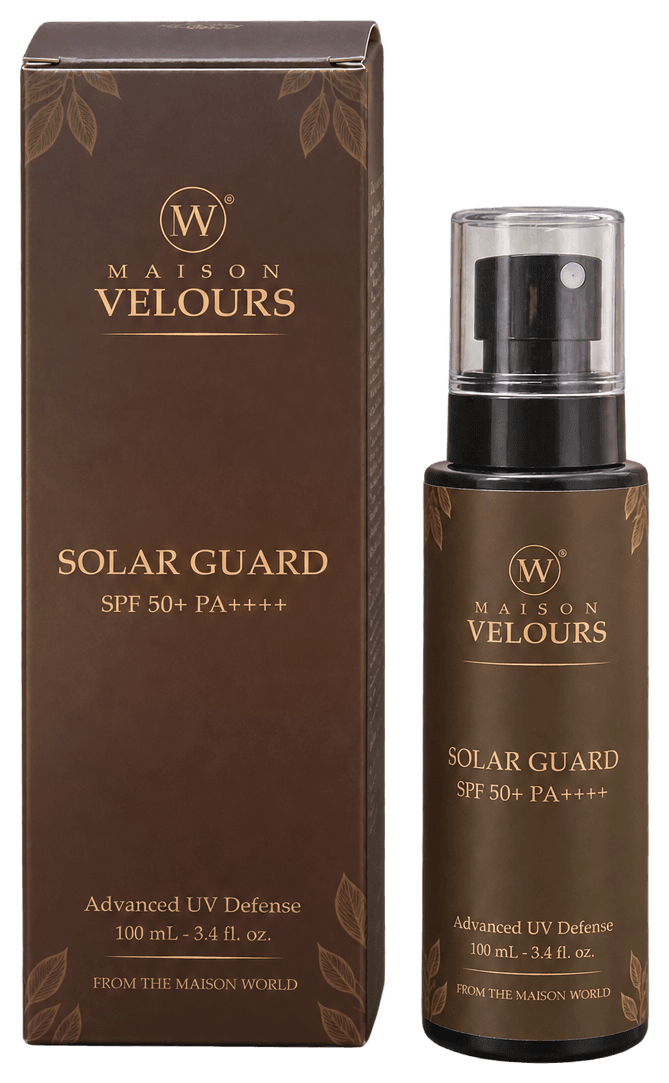
A broad-spectrum SPF used daily does more for even tone than any brightening active. In India’s high-UV conditions, that means reapplication through the day, not a single morning layer — and it means sunscreen is non-negotiable even on overcast monsoon days.
Which actives suit melanin-rich skin best?
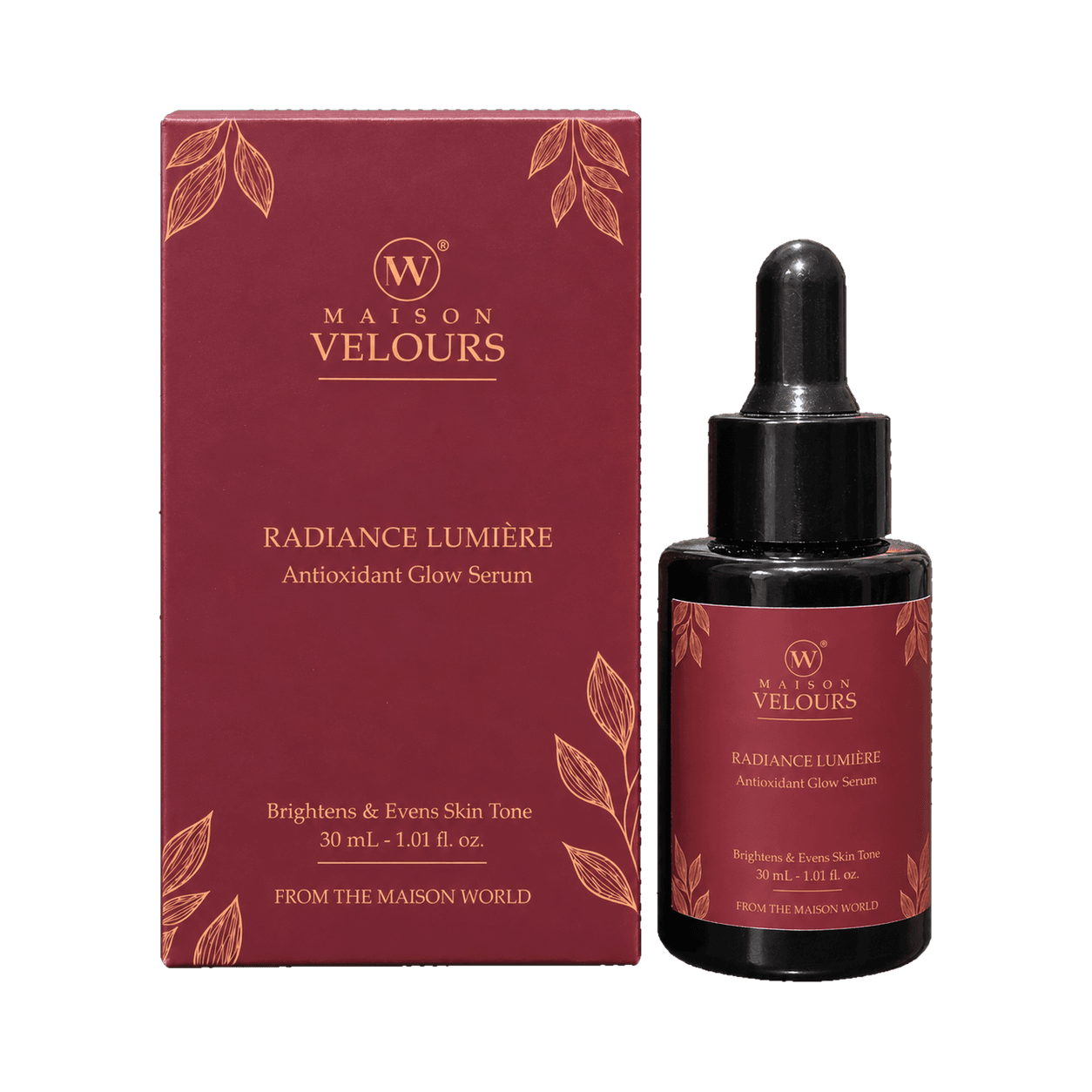
Gentle, evidence-backed brighteners and barrier supporters suit melanin-rich skin better than harsh peels. Vitamin C, niacinamide, azelaic acid, and well-buffered retinoids address pigmentation and texture while keeping the risk of irritation — and therefore of new dark marks — low.
The danger with melanin-rich skin is over-treatment: high-strength acids and scrubs can trigger the very pigmentation they were meant to clear. Introduce one active at a time, at modest strength, and give the skin weeks to respond before escalating.
How should you build a routine for Indian skin?
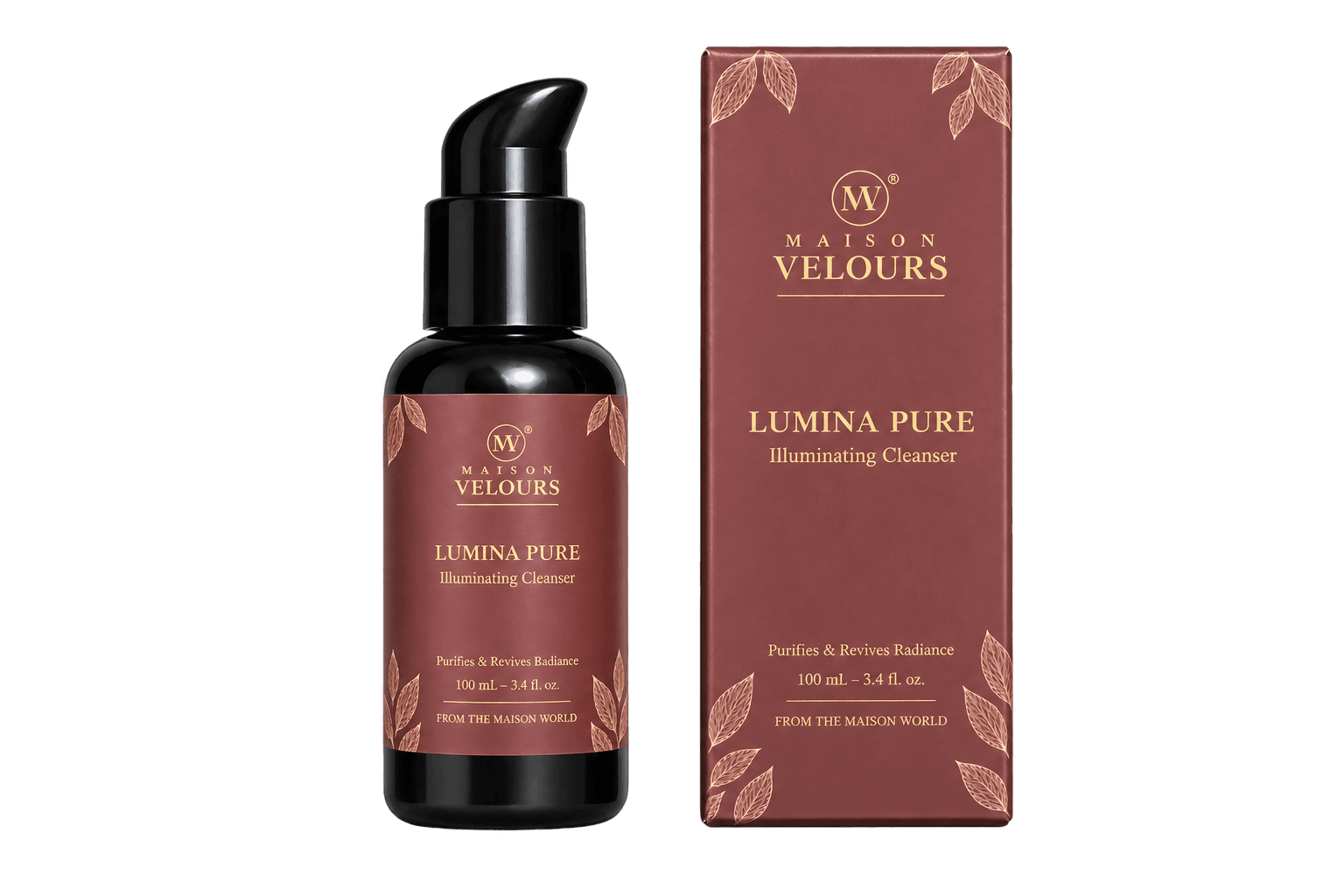
Build from a short, climate-aware core: a gentle cleanser, a targeted treatment, a moisturiser matched to the season, and daily broad-spectrum sun protection. Everything else is optional refinement layered on top once that foundation is consistent.
Maison Velours formulates for exactly this brief — skincare developed for Indian skin tones and the Indian climate, rather than reformulated from a temperate-market original. Every product carries mandatory Indian statutory information, including manufacturer details, MRP inclusive of GST, and batch and expiry where applicable.
Frequently asked
- What skincare is best for Indian skin and climate?
- The best routine for Indian skin is built around even tone and barrier health, not wrinkles: a gentle cleanser, a brightening or barrier active introduced slowly, a moisturiser matched to the season, and daily broad-spectrum sunscreen. Lighter textures suit humid months; richer ones suit dry winters.
- Why do legacy luxury skincare brands not work as well on Indian skin?
- Most prestige skincare was formulated for low-melanin skin in temperate, dry climates. Indian skin is more prone to post-inflammatory hyperpigmentation and lives in more humid, higher-UV conditions, so routines built around wrinkle-focused, aggressive resurfacing often miss the real priority of even tone.
- Do people with darker skin need sunscreen?
- Yes. Melanin reduces but does not eliminate UV damage, and UV is the main cause of the tanning and hyperpigmentation that most Indian skincare routines are trying to correct. Daily broad-spectrum SPF is the most effective single step for even tone.
- How do I treat pigmentation on Indian skin safely?
- Use gentle, evidence-backed actives such as vitamin C, niacinamide, or azelaic acid, introduced one at a time at modest strength, alongside strict daily sun protection. Avoid high-strength acids and scrubs, which can trigger more pigmentation in melanin-rich skin.