Maison Velours · Skincare
How to Fade Dark Spots on Indian Skin, Safely
Dark spots respond to patience and the right pairing, not aggression. A house guide to fading pigmentation without triggering more of it.
By Sadhana Ojha · Founder, The Maison World · 8 min read · Updated November 2026
Dark spots — post-inflammatory hyperpigmentation — are the most common concern for Indian skin, left behind by a single spot, a shave, sun, or aggressive exfoliation. They fade with a patient, disciplined routine, not with harsh quick fixes that often make them worse.
This is a house guide from Maison Velours to fading dark spots on melanin-rich skin safely.
What actually fades dark spots on Indian skin?
A gentle brightening active plus daily sun protection is what fades dark spots — the active works on existing marks while sunscreen stops new ones forming and old ones re-darkening. Neither works well without the other.
Vitamin C and glutathione are well-suited to melanin-rich skin: they brighten and even tone with a low risk of the irritation that itself triggers pigmentation.
Why is sunscreen non-negotiable for dark spots?
Because UVA — present all day, through cloud and glass — is the main driver of pigmentation. Without daily broad-spectrum sun protection, fresh UV re-darkens spots faster than any serum can lighten them, so brightening effort is largely wasted.
Daily SPF 50 with high UVA (PA++++) protection does more for even tone than any single serum in the routine.
What kind of pigmentation do you have?
Not all dark patches are the same, and the type decides the treatment. Marks left by acne or irritation fade with gentle actives and sunscreen; melasma — larger, symmetrical patches often linked to hormones and sun — is stubborn, tends to return, and is best managed with a dermatologist.
If patches are spreading, symmetrical, or have not shifted after three months of consistent care, see a dermatologist rather than adding stronger products at home.
| Type | What it looks like | What helps |
|---|---|---|
| Post-inflammatory marks | Flat brown marks where a spot, cut or rash healed | Gentle brightening actives and daily sunscreen; fades over months |
| Tan and sun spots | General darkening or small spots on exposed areas | Strict sun protection; brightening actives |
| Melasma | Symmetrical brown-grey patches on cheeks, forehead or upper lip | Dermatologist-led care; sunscreen every day |
Which ingredients fade dark spots, and how do they compare?
Several ingredients have reasonable evidence for fading pigmentation; the best one is the one your skin tolerates daily. Vitamin C and niacinamide are the usual starting points because they brighten with a low risk of irritation.
Stronger options exist — prescription retinoids and hydroquinone among them — but they belong under a dermatologist’s supervision, particularly on darker skin, where misuse can cause irritation or uneven lightening. We cover vitamin C in depth in vitamin C serum for pigmentation.
| Ingredient | Strength of evidence | Notes for melanin-rich skin |
|---|---|---|
| Vitamin C | Good | Brightens and protects; choose a stable form if skin is reactive |
| Niacinamide | Good | Well tolerated; suits daily use |
| Azelaic acid | Good | Gentle; often suggested for marks left by acne |
| Retinoids | Good | Effective but irritating if rushed; introduce slowly, at night |
| Glutathione | Modest | A supporting antioxidant rather than a stand-alone treatment |
What should you avoid?
Avoid harsh peels, strong scrubs, and stacking multiple actives at once. On melanin-rich skin, irritation is a direct route to more pigmentation — the very thing you are trying to clear.
Also avoid impatience: switching products every two weeks never gives any of them time to work. Consistency beats intensity.
How long does it take to fade dark spots?
Realistic timelines run to several weeks of daily use before a visible shift, and months for stubborn marks. Skin renews slowly, and gentle, consistent care is what turns a plan into results.
If a product promises to erase spots in days, treat it with suspicion — that pace usually means an irritant, not a fix.
How do you build a dark-spot routine?
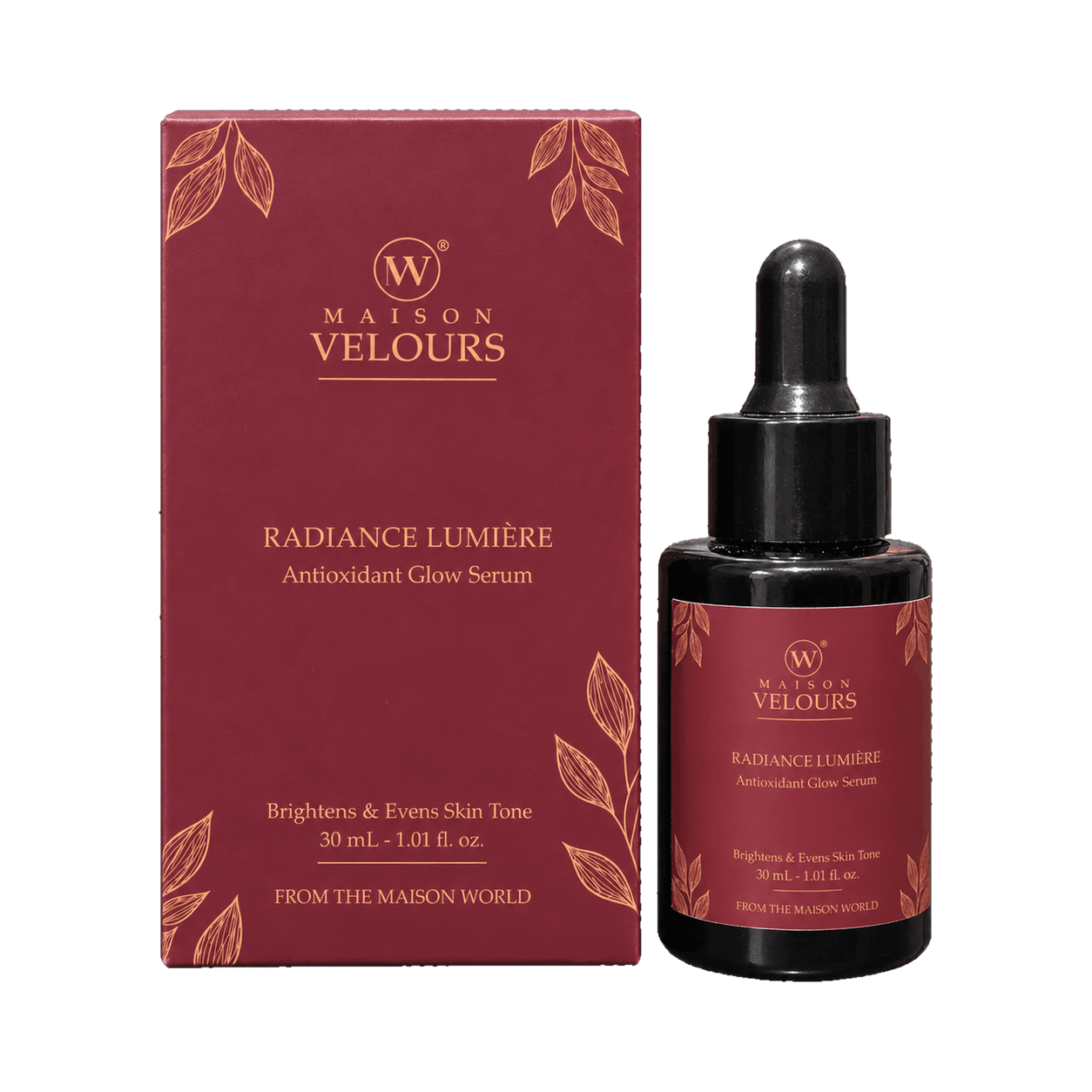
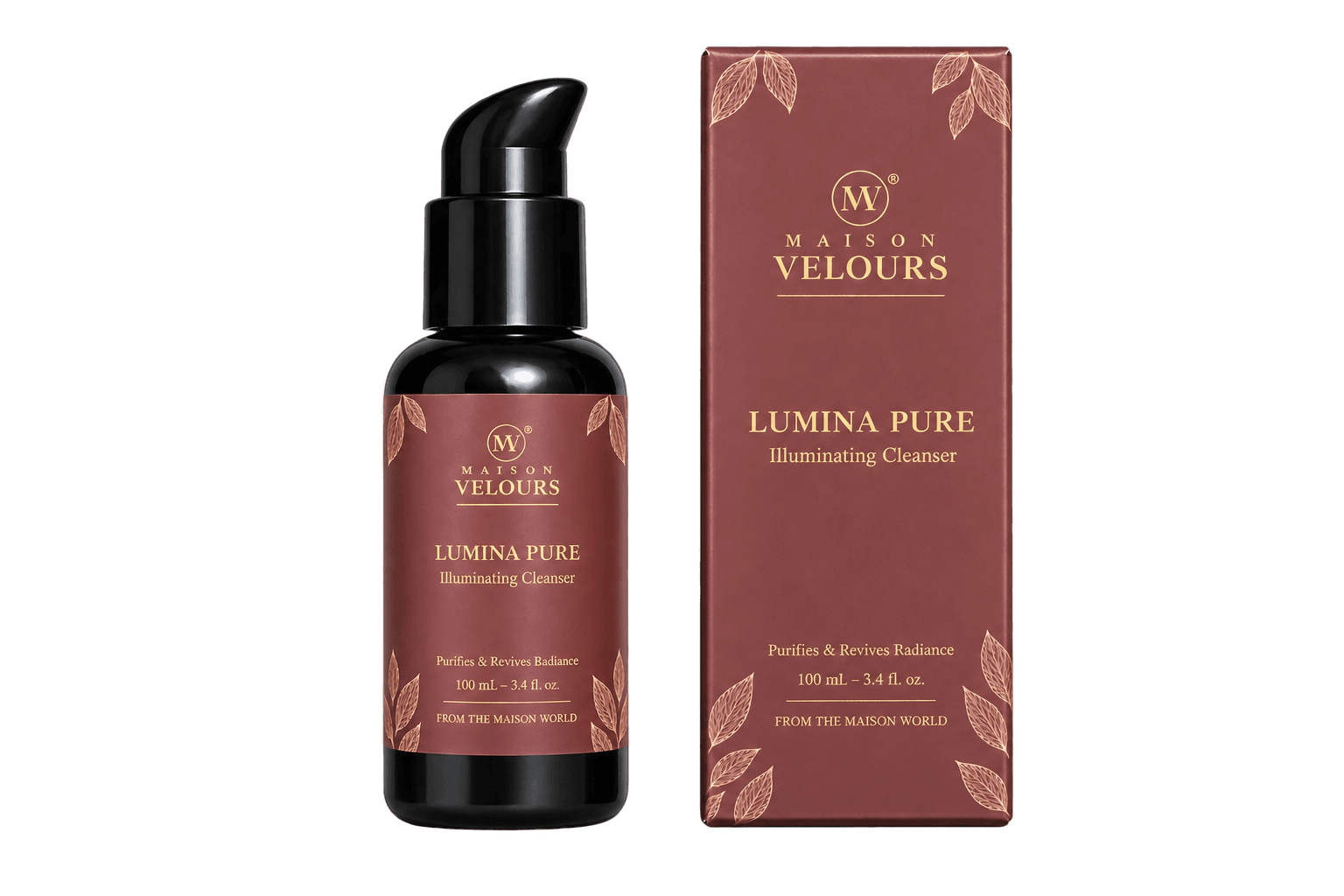
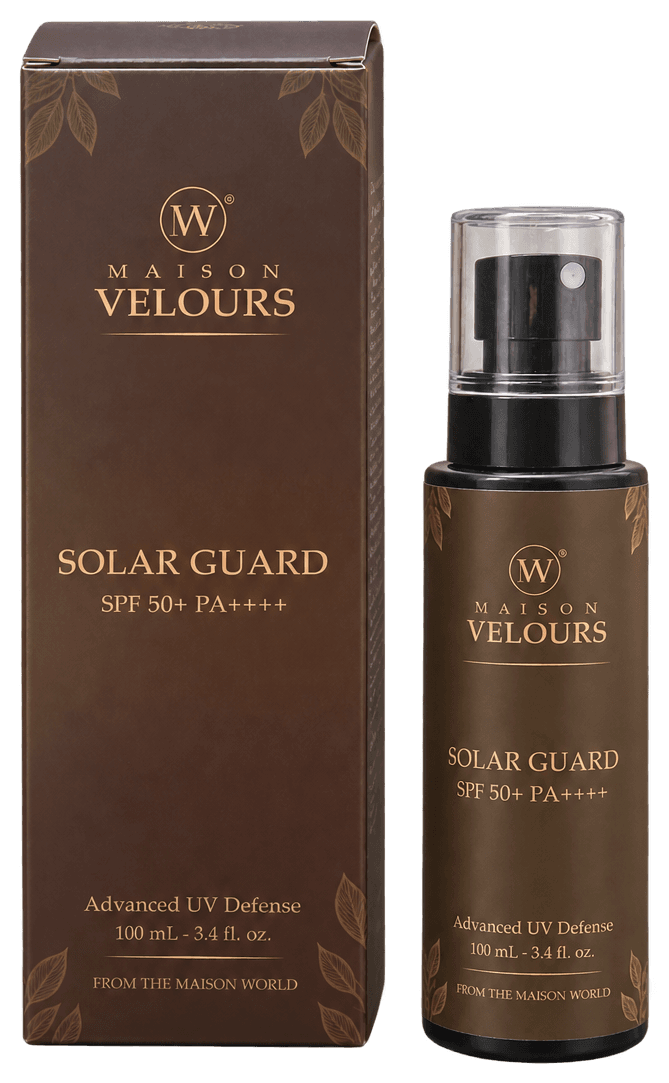
Keep it short: a gentle brightening cleanser, a vitamin C serum, a season-matched moisturiser, and daily sunscreen. Maison Velours formulates a glutathione illuminating cleanser and a vitamin C glow serum for exactly this brief, paired with Solar Guard SPF 50 PA++++.
Every product carries mandatory Indian statutory information, including manufacturer details, MRP inclusive of GST, and batch and expiry where applicable.
Frequently asked
- How do I fade dark spots on Indian skin?
- Pair a gentle brightening active — such as vitamin C or glutathione — with daily broad-spectrum sunscreen. The active fades existing marks; the sunscreen stops new ones and prevents re-darkening. Avoid harsh peels and scrubs, which worsen pigmentation on melanin-rich skin.
- How long do dark spots take to fade?
- Several weeks of consistent daily use for a visible shift, and months for stubborn marks. Skin renews slowly, so consistency matters more than intensity. Products promising results in days are usually irritants.
- Does sunscreen help fade dark spots?
- Yes — it is essential. UVA re-darkens spots faster than any serum can lighten them, so without daily broad-spectrum SPF the brightening effort is wasted.
- What makes dark spots worse?
- Harsh peels, strong scrubs, over-exfoliation, and stacking multiple actives — all cause irritation, which triggers more pigmentation in melanin-rich skin. Skipping sunscreen makes existing spots darker.
- What is the difference between dark spots and melasma?
- Dark spots are usually flat marks left where a pimple, cut or rash healed, and they fade with gentle actives and sunscreen. Melasma appears as larger, symmetrical brown-grey patches, is often linked to hormones and sun, tends to recur, and is best managed with a dermatologist.
- Which ingredient is best for hyperpigmentation on Indian skin?
- Vitamin C and niacinamide are the best-tolerated starting points, used daily with broad-spectrum sunscreen. Azelaic acid and retinoids also have good evidence. Stronger prescription treatments should be used only under a dermatologist’s supervision.