Maison Velours · Skincare
How to Repair a Damaged Skin Barrier
Tightness, redness, and sudden stinging mean a broken barrier — usually from doing too much. A house guide to calming and rebuilding it.
By Sadhana Ojha · Founder, The Maison World · 5 min read · Updated June 2026
A damaged skin barrier shows as tightness, redness, stinging when products go on, and skin that suddenly reacts to things it tolerated before. The cause is almost always doing too much — and the repair is to do less.
This is a house guide from Maison Velours to recognising a compromised barrier and rebuilding it.
How do you know your skin barrier is damaged?
The signs are tightness, persistent redness, flaking, stinging or burning when you apply products, and new sensitivity to things that never bothered you. Skin may look dull and feel rough despite being oily.
If a routine that used to feel fine suddenly stings, the barrier — not the product alone — is usually the problem.
What damages the skin barrier?
Over-exfoliation and stacking too many actives are the leading causes — acids, retinoids, and scrubs used too often or together strip the barrier faster than it can rebuild. Harsh cleansers and skipping moisturiser compound it.
On melanin-rich skin this matters twice over: barrier irritation is a direct trigger for pigmentation.
How do you repair a damaged barrier?
Simplify and rebuild: stop all strong actives, cleanse gently, and use a barrier-repair moisturiser plus a lightweight hydrator, with daily sun protection over the top. Give it weeks, not days.
The instinct to “treat” irritated skin with more products is exactly wrong — the barrier repairs when it is left alone with support, not actives.
How long does barrier repair take?
Most barriers calm within two to four weeks of a stripped-back routine, though badly compromised skin can take longer. Reintroduce actives only once the tightness, redness, and stinging are gone.
When you do reintroduce them, add one at a time, at low frequency, and stop at the first sign of a relapse.
What does Maison Velours recommend?
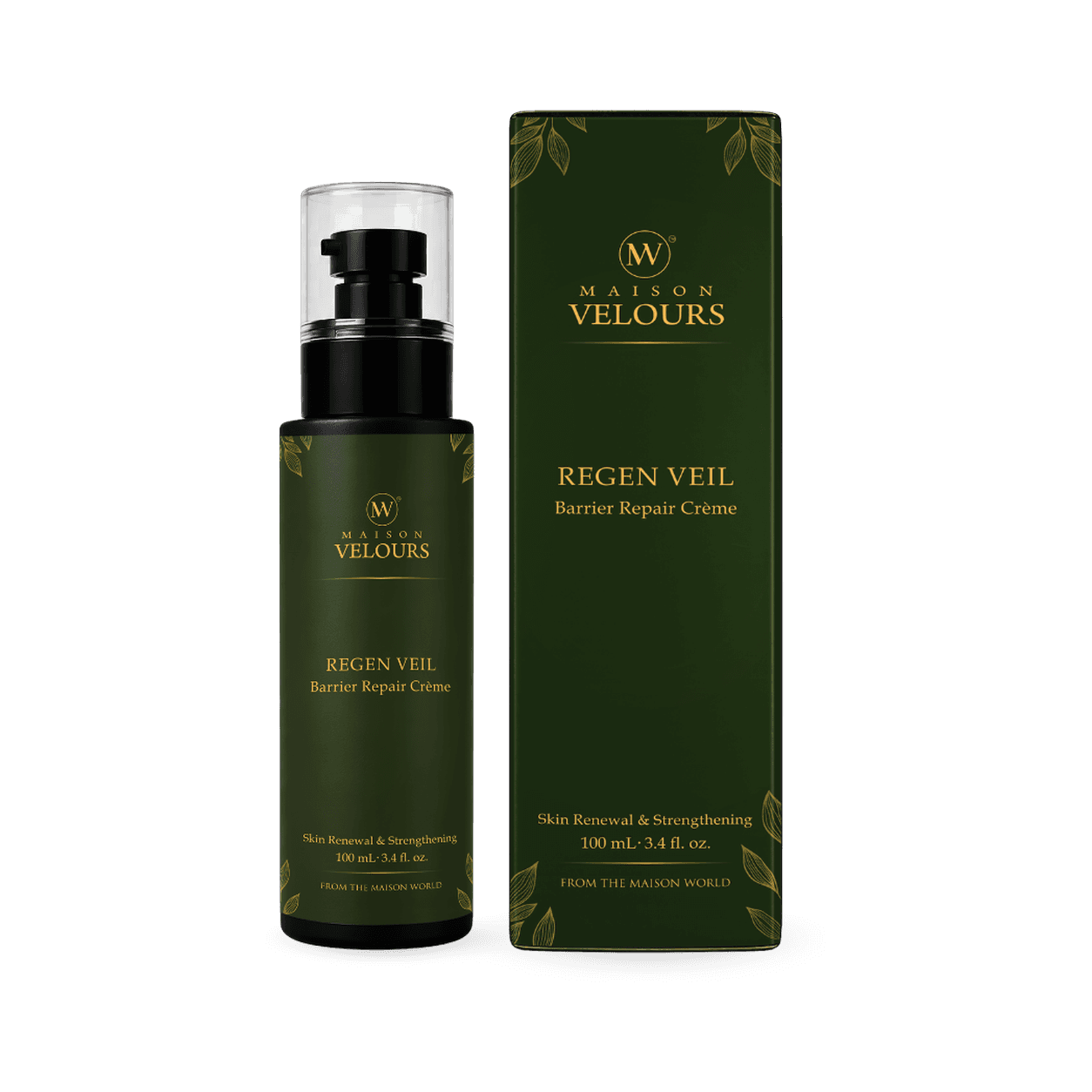
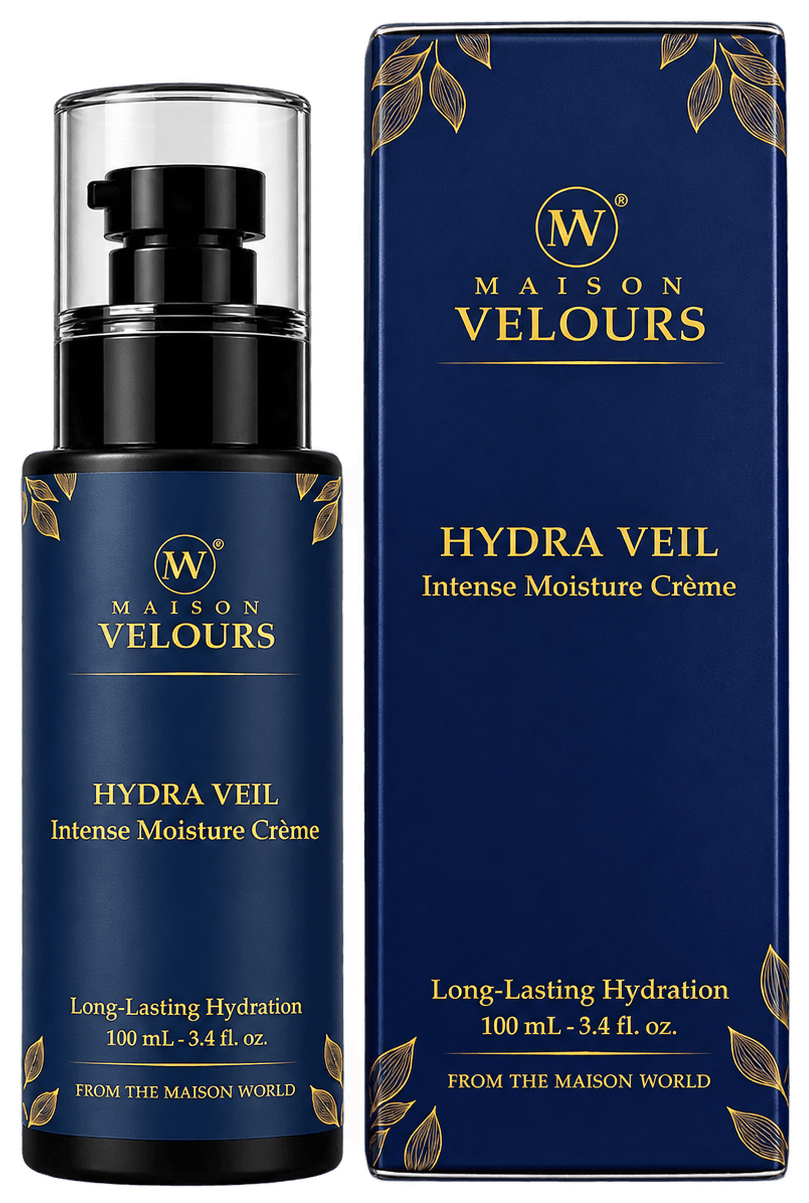
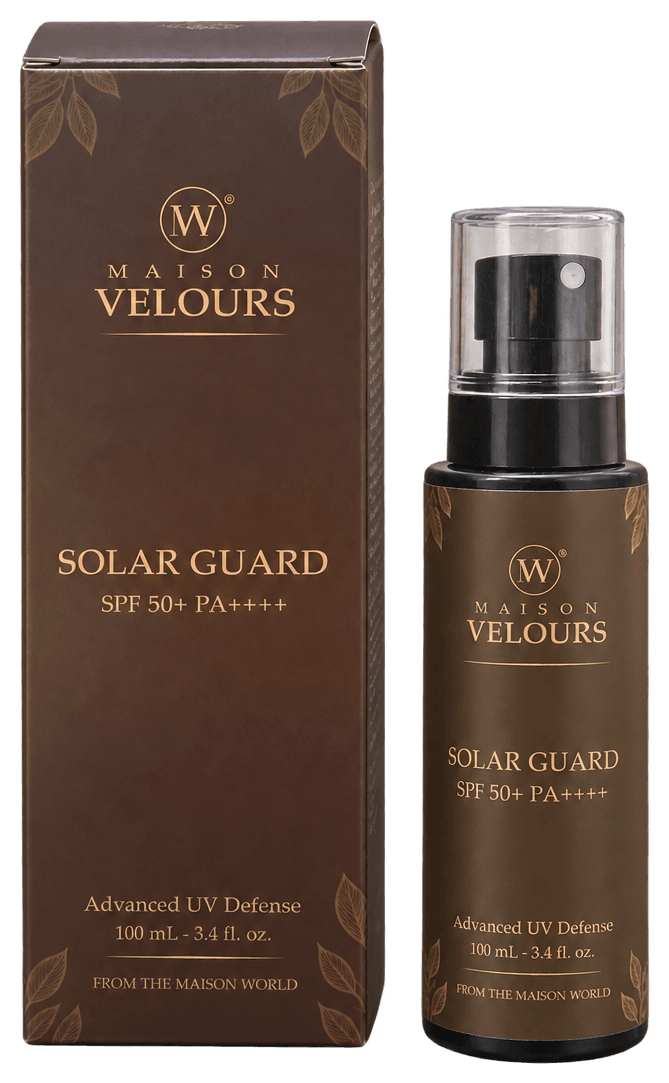
A barrier-repair crème to restore and seal, a lightweight hyaluronic hydrator for water content, and daily Solar Guard sunscreen while the skin recovers. Maison Velours formulates the Regen Veil barrier-repair crème and Hydra Veil moisturiser for exactly this.
Every product carries mandatory Indian statutory information, including manufacturer details, MRP inclusive of GST, and batch and expiry where applicable.
Frequently asked
- How do I repair a damaged skin barrier?
- Simplify and rebuild: stop strong acids and retinoids, cleanse gently, use a barrier-repair moisturiser and a lightweight hydrator, and apply daily sunscreen. Give it weeks; reintroduce actives only once redness and stinging are gone.
- What are the signs of a damaged skin barrier?
- Tightness, persistent redness, flaking, stinging when applying products, and new sensitivity to things that never bothered you. Skin can look dull and feel rough despite being oily.
- What damages the skin barrier?
- Over-exfoliation, stacking multiple actives, harsh cleansers, and skipping moisturiser. On melanin-rich skin, the resulting irritation can also trigger pigmentation.
- How long does it take to repair the skin barrier?
- Usually two to four weeks with a stripped-back routine, longer for badly compromised skin. Reintroduce actives one at a time, at low frequency, once the barrier has calmed.