Maison Velours · Skincare
Best Skincare for Oily Skin in India: A Practical Routine
Oily skin in a humid climate needs lighter textures, not stripping. A house guide to a routine that controls shine without triggering more oil.
By Sadhana Ojha · Founder, The Maison World · 8 min read · Updated November 2026
Oily skin in India’s humid climate is best managed with lighter textures and gentle care — not with harsh stripping, which backfires by triggering the skin to produce more oil. The goal is balance, not a squeaky-clean feeling.
This is a house guide from Maison Velours to a practical routine for oily and combination skin in Indian conditions.
What causes oily skin to get worse?
Over-cleansing and harsh, stripping products are the most common cause of worse oiliness. When you strip the skin, it rebounds by producing more oil to compensate — so aggressive cleansing creates the shine it was meant to fix.
Humidity compounds this: heavy creams and over-exfoliation in a humid climate leave skin greasy and congested rather than balanced.
How should oily skin be cleansed?
Cleanse gently, twice a day, without stripping. A gentle cleanser removes oil, sunscreen, and grime while leaving the barrier intact, which keeps oil production steady rather than spiking it.
Resist the urge to scrub or use very high-foam, drying cleansers — they feel satisfying but provoke rebound oil.
Do oily skin types need moisturiser?
Yes — oily skin can still be dehydrated, and skipping moisturiser makes it produce more oil. The answer is a lightweight, humectant hydrator (hyaluronic acid) rather than a heavy cream.
Hydration and oil are different problems: a gel-light moisturiser manages water content without adding heaviness.
What sunscreen suits oily skin?
A lightweight, non-greasy sunscreen you will actually reapply. A heavy cream that leaves a white cast or sticky film is the sunscreen that gets skipped by lunch — and a skipped reapplication is where sun damage happens.
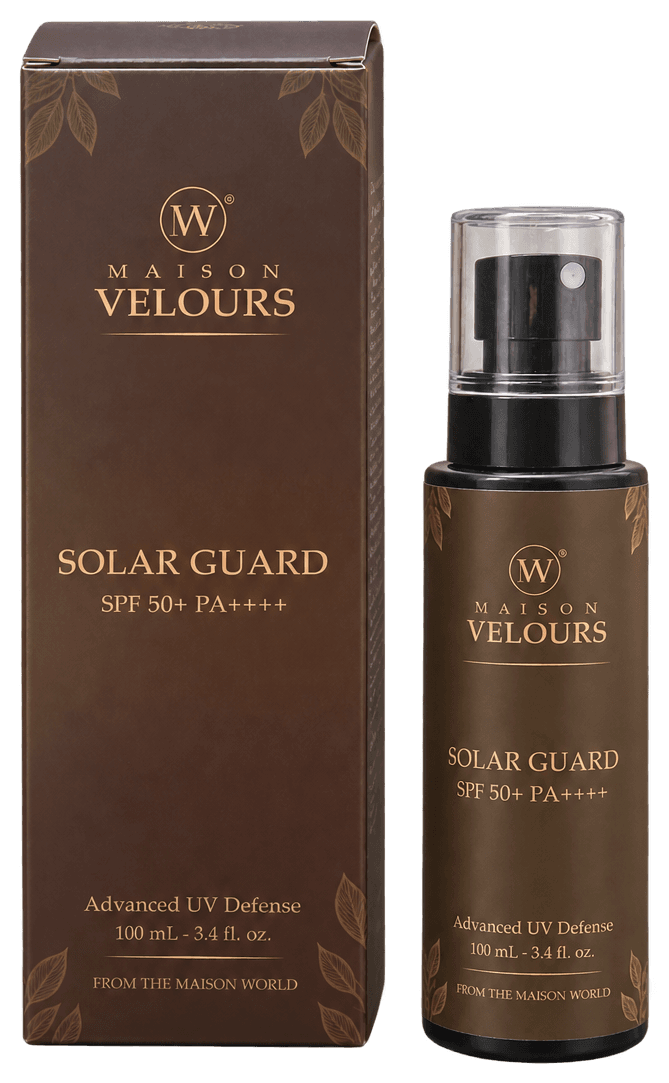
A spray or fluid SPF 50 that layers cleanly over skincare suits oily skin in Indian heat.
Which ingredients suit oily skin?
A short list of ingredients does most of the work for oily skin: niacinamide to steady oil and tone, salicylic acid to keep pores clear, and hyaluronic acid to hydrate without weight. None needs to be strong to be effective — frequency and consistency matter more than percentage.
Introduce one at a time, and keep exfoliating acids to a few nights a week. On melanin-rich skin, overdoing acids causes irritation, and irritation is what leaves dark marks behind.
| Ingredient | What it does | How to use it |
|---|---|---|
| Niacinamide | Helps regulate visible oil and evens tone | Daily, morning or night; well tolerated |
| Salicylic acid (BHA) | Oil-soluble exfoliant that clears inside pores | Two to three nights a week; not alongside other acids |
| Hyaluronic acid | Adds water without oil or weight | Daily, on damp skin, sealed with a light moisturiser |
| Zinc PCA | Helps reduce surface shine | Daily, often within a cleanser or serum |
| Clay | Absorbs excess surface oil | Weekly mask; rinse before it dries tight |
How should the routine change in monsoon and summer?
In humid months, lighten every layer rather than removing steps: a gel or fluid moisturiser, a spray or fluid sunscreen, and no heavy occlusive creams during the day. Sweat and humidity mix with oil and sunscreen as the day goes on, so the evening cleanse matters more than the morning one.
Blotting paper is a better midday fix than washing again, which only restarts the rebound-oil cycle. In dry winter air or constant air-conditioning, the same skin may need a slightly richer moisturiser at night — oily skin is not oily in every season.
What is a simple routine for oily skin?
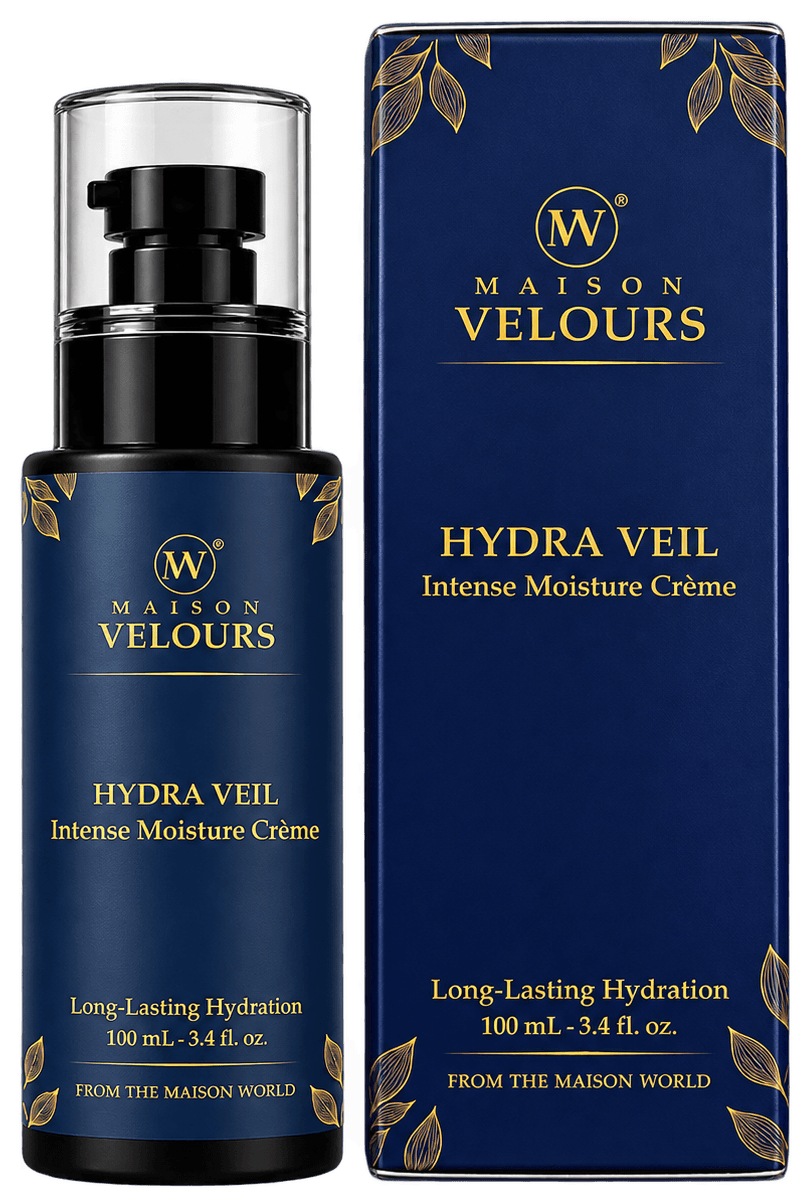
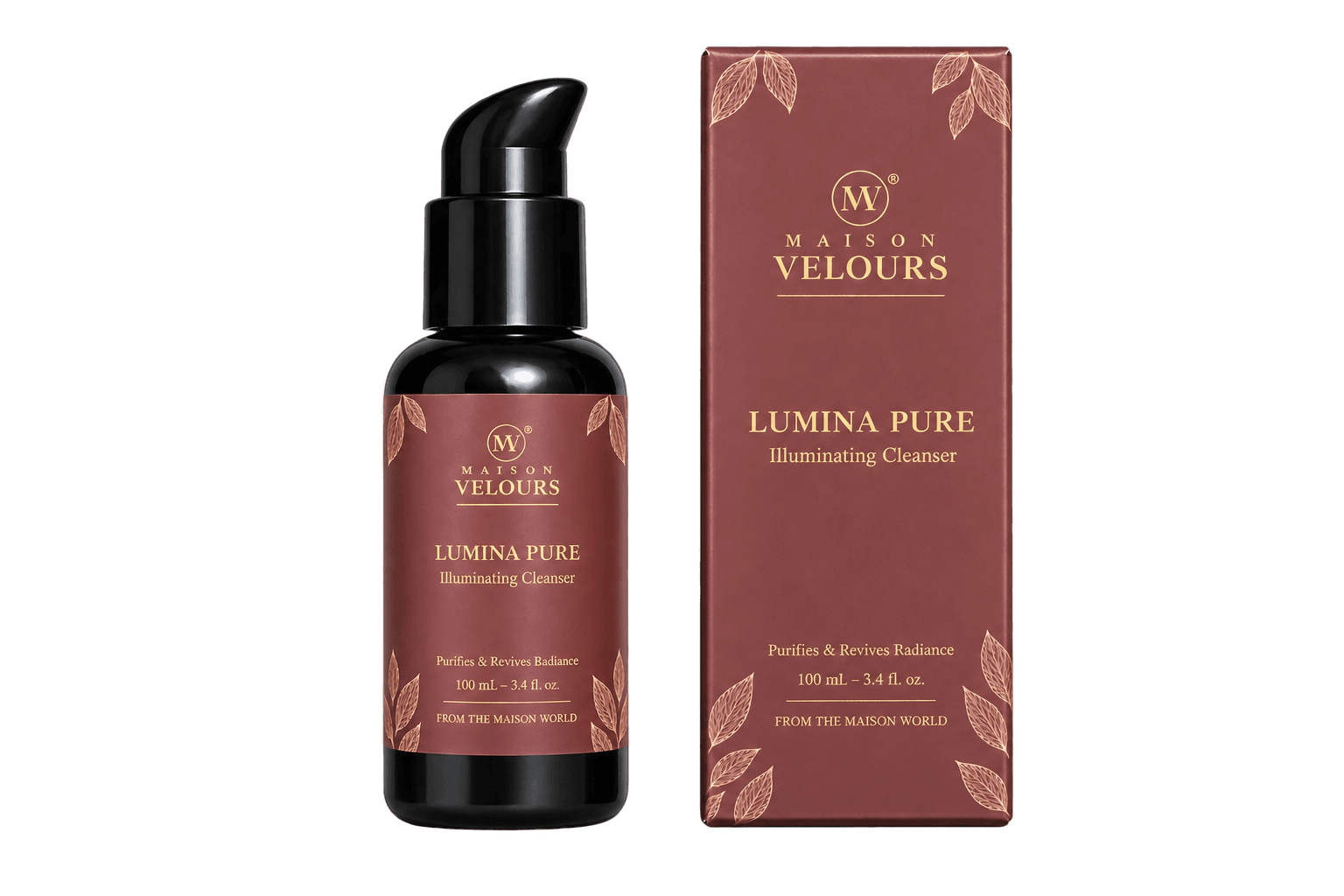
Keep it to four steps: a gentle cleanser, a lightweight hydrator, daily broad-spectrum sunscreen, and a brightening active if tone is a concern. Maison Velours pairs a glutathione illuminating cleanser, a hyaluronic hydrator, and Solar Guard SPF 50 for this brief.
Every product carries mandatory Indian statutory information, including manufacturer details, MRP inclusive of GST, and batch and expiry where applicable.
If oily skin has turned tight, red or stinging, the barrier is compromised — pause the actives and follow the barrier-repair routine first.
Frequently asked
- What is the best skincare routine for oily skin in India?
- A gentle cleanser, a lightweight humectant moisturiser (hyaluronic acid), daily broad-spectrum sunscreen, and a brightening active if needed. Lighter textures and gentle care control shine; harsh stripping makes oil worse.
- Does oily skin need moisturiser?
- Yes. Oily skin can be dehydrated, and skipping moisturiser makes it produce more oil. Use a lightweight, gel-like humectant rather than a heavy cream.
- Why does my skin get oilier after washing?
- Over-cleansing and stripping products cause rebound oil — the skin compensates for being stripped by producing more. Cleanse gently twice a day and avoid harsh, high-foam or scrubbing cleansers.
- What sunscreen is best for oily skin?
- A lightweight, non-greasy SPF 50 you will reapply — a spray or fluid that layers cleanly over skincare, without a white cast or sticky film that makes you skip it.
- Which ingredients are best for oily skin?
- Niacinamide to steady oil and even tone, salicylic acid to keep pores clear, and hyaluronic acid for weightless hydration. Zinc PCA and clay help with surface shine. Introduce one at a time and keep acids to a few nights a week.
- Is niacinamide or salicylic acid better for oily skin?
- They do different jobs and work well together. Niacinamide is the daily step that steadies oil and evens tone; salicylic acid is the occasional step that clears pores. Start with niacinamide, and add salicylic acid two or three nights a week if congestion persists.
- How do I control an oily face in humid weather?
- Use lighter textures at every step, cleanse properly in the evening, and blot rather than re-wash at midday. Do not skip moisturiser or sunscreen — dehydrated or stripped skin produces more oil, not less.